
Maravé Development Team
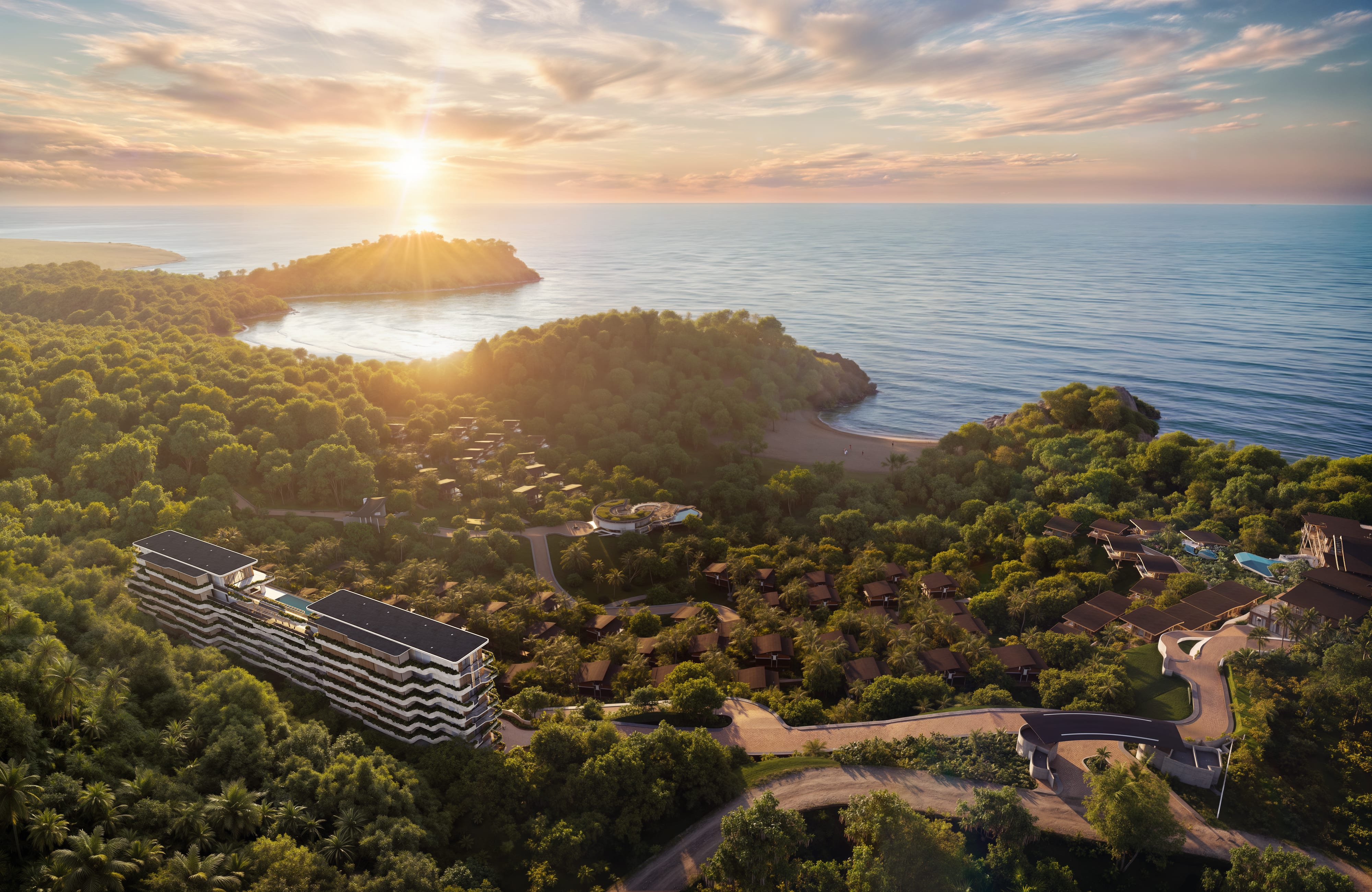
Architectural rendering of Maravé Manuel Antonio, LXR Residences. Illustrative; subject to change.
Published October 7, 2026
Costa Rica’s natural beauty is part of everyday life in Manuel Antonio. The Pacific coastline, lush landscapes, and proximity to Manuel Antonio National Park are also what draw prospective homeowners to this part of the country. For the development team behind Maravé Manuel Antonio, LXR Residences, respecting that setting is central to how the resort and residences are planned and built.
One can see that commitment in the choices the team has made: building on land once used for grazing, shaping the buildings around the hillside, and protecting the water that flows through the property.
For anyone considering a home in Manuel Antonio, those choices say a lot about how Maravé is being built and the kind of place it will become.
Building on previously used land
Close to the ocean, Maravé Manuel Antonio, LXR Residences is being developed on land historically used as cattle pasture. Grazing shaped this stretch of coast for decades, and the beach below, Playa La Vaca, takes its name from the cows. Building on this previously used land is central to the team’s approach to responsible development in Costa Rica.
As construction moves forward, the fields where cattle once grazed will fill with lush gardens and tropical plants, bringing new color and life to this stretch of coast.
Designing around the natural terrain
At Maravé, everything starts with the land. The buildings follow the natural curve of the hillside, and the residences and terraces open toward the ocean, so the Pacific is always part of the view.
Rather than treating the former grazing land as a blank slate, the team sees it as an opportunity for regeneration, letting the character of the site shape the architecture.
That philosophy carries through to how Maravé is built. Mass timber serves as the primary structural system, at a scale not yet seen in Central America.
Manuel Antonio's rainforest, wildlife, and beaches are what bring people here from all over the world. The team knows that, and it takes its responsibility seriously to protect them, from the first design sketches through every stage of construction.
Protecting the property’s waterways
Protecting water resources is part of the environmental management at Maravé Manuel Antonio, LXR Residences. The project has implemented measures to control sediment runoff and safeguard an on-site stream and its protected buffer area.
An inspection earlier this year by SETENA, Costa Rica's environmental review agency, confirmed that sediment controls are in place and that nearby waterways remain clean and protected.
Maintaining environmental oversight throughout construction
At Maravé, caring for the environment doesn't end once the design is done. As the residences take shape, environmental experts and comptrollers work side by side with the builders, and environmental legal experts help guide the process, so every construction decision is made with the land in mind. The project's environmental approval remains active, and the team stays in close contact with Costa Rican authorities along the way.
For future homeowners, this means knowing exactly how their home is being built. The natural beauty that draws buyers to Manuel Antonio is protected with the same care as the residences themselves, so the view they fall in love with today is the one they'll wake up to for years to come.
Discover Maravé Manuel Antonio, LXR Residences
Maravé Manuel Antonio, LXR Residences is taking shape on Costa Rica's Pacific coast, just minutes from Manuel Antonio National Park. Owners will enjoy branded titled ownership, ocean views, and amenities including a beach club, spa, pools and restaurants.
Explore Maravé Manuel Antonio, LXR Residences to learn more about the homes, the setting and the approach guiding the development.
Questions
Frequently asked questions
Maravé Manuel Antonio, LXR Residences is being developed on Costa Rica’s Pacific coast near Manuel Antonio National Park. The construction area, steps from the ocean, was historically used as cattle pasture.
Buildings are positioned to follow the hillside’s natural contours, and landscaping is expected to bring new life to the former cattle pasture and create a greener landscape.
The project has implemented sediment controls to help prevent soil from washing into waterways, along with safeguards for an on-site stream and its protected buffer area. An inspection earlier this year by SETENA, Costa Rica's environmental review agency, confirmed that sediment controls are in place and that nearby waterways remain clean and protected.
Environmental care is part of every construction decision. The team works with environmental experts and regulators, relies on environmental legal experts, and implements measures to protect the land and build sustainably.
The project’s environmental approval remains active, and the developer has obtained all permits required for the earthworks completed to date. Approvals for the villas and other future construction are pending through the applicable permitting process.