Updated 8 de agosto de 2026
Costa Rica offers several compelling places to own a second home. The right choice depends less on finding a universal “best” market and more on matching a destination to the way you want to live, travel, and use the property.
The best places to buy a luxury vacation home in Costa Rica include the Papagayo area and other parts of northern Guanacaste, Tamarindo and Playa Flamingo, Nosara and Santa Teresa, Manuel Antonio and Quepos, the Dominical-Uvita corridor, and Los Sueños in Herradura. Each offers a different balance of access, services, privacy and natural setting. Manuel Antonio deserves particular attention from buyers who want Pacific beaches, rainforest, wildlife, a national park and established day-to-day services within the same compact area.
That does not make Manuel Antonio the automatic answer for every buyer. Someone who wants a golf-centered resort environment may lean toward Papagayo. A buyer who wants surf culture and visible social energy may prefer Tamarindo, Nosara or Santa Teresa. The useful question is not simply, “Where is the most luxurious place?” It is, “Which place will still fit my life after the first vacation ends?”
How to choose the right Costa Rica destination
Start with the ownership experience, not a map. A beautiful view matters, but it will not compensate for a property that is difficult to reach, manage, or enjoy the way your family intends.
- Use pattern: Will the home be used for short vacations, extended seasonal stays, multigenerational trips or a possible future retirement?
- Access: Compare international airport options, domestic flights, road travel and the practical rhythm of arriving with family or guests.
- Setting: Decide whether you prefer tropical dry forest, dense rainforest, a walkable surf town, a marina community or a quieter stretch of coast.
- Ownership support: Ask who handles security, maintenance, humidity control, landscaping, storm preparation and owner arrivals while you are away.
- Daily life: Look beyond excursions. Consider restaurants, groceries, medical care, banking, boating, fitness and the places you would use during a month-long stay.
- Property structure: Confirm title, zoning, permits, association rules, fees, rental policies and the precise services included in any branded or managed residence.
Costa Rica luxury vacation-home areas at a glance
| Area | Strongest fit | What buyers should weigh |
|---|---|---|
| Papagayo / northern Guanacaste | Resort amenities, golf, international-airport access and a drier Pacific landscape | Resort-community feel, heat and seasonality, service fees and distance from other parts of the country |
| Tamarindo / Playa Flamingo | Restaurants, surf, boating, social energy and established visitor services | Traffic, development intensity, neighborhood-by-neighborhood differences and the level of privacy |
| Nosara / Santa Teresa | Surf, wellness, design-forward homes and a casual coastal lifestyle | Road and airport logistics, seasonal conditions, infrastructure and hands-on property management |
| Manuel Antonio / Quepos | Rainforest, beaches, biodiversity and wildlife, national-park access, a marina and a full-service town and local airport nearby | A wetter tropical climate, hillside conditions, rainforest setting on the Pacific coast, and a more bespoke eco-tourism character |
| Dominical / Uvita | Lower-density South Pacific living, marine experiences and nature-forward privacy | Longer travel routines, fewer resort-style services and the availability of turnkey management |
| Los Sueños / Herradura | Master-planned marina, golf, and resort-campus living closer to San José | A more self-contained resort feel, and less of the rainforest-and-national-park character that defines Manuel Antonio |
1. Papagayo and northern Guanacaste: polished resort living
Northern Guanacaste is often the first place U.S. luxury buyers encounter. The region combines Pacific beaches with tropical dry forest and includes established resort areas, golf, boating and an international gateway at Liberia. Papagayo is especially relevant for buyers who want a highly serviced resort environment and a familiar arrival experience.
The tradeoff is character. Guanacaste’s landscape, climate and development pattern differ markedly from the greener Central and South Pacific. Some buyers love the broader resort ecosystem; others want a more immersive rainforest setting or a smaller-scale community. Compare individual neighborhoods rather than treating the entire province as one market.
2. Tamarindo and Playa Flamingo: convenience with coastal energy
Tamarindo appeals to owners who want an active beach town with restaurants, surf, shops, and nightlife. Nearby coastal communities, including Playa Flamingo, broaden the range of boating and residential options. This part of Guanacaste can work well for families and owners who want plenty to do without planning every outing in advance.
The same popularity that creates convenience can also mean more activity, traffic, and visible development. A buyer seeking quiet should test the exact neighborhood at different times of day and during both high and lower seasons. Privacy can change significantly within a short drive.
3. Nosara and Santa Teresa: surf, wellness and a strong sense of place
Nosara and Santa Teresa have built international followings around surfing, wellness, food and a relaxed, design-conscious lifestyle. The Costa Rica Tourism Board describes Nosara as a destination known for surfing and yoga, while Santa Teresa and Malpaís anchor a well-known beach corridor on the Nicoya Peninsula.
These communities can feel highly personal and less resort-like, which is exactly the appeal for many owners. Practical questions include access, road conditions, utilities, and the depth of property-management support available for a specific home. A buyer who visits only in the driest months may not see how travel and maintenance routines change during the rainy season.
4. Manuel Antonio and Quepos: rainforest living with real infrastructure
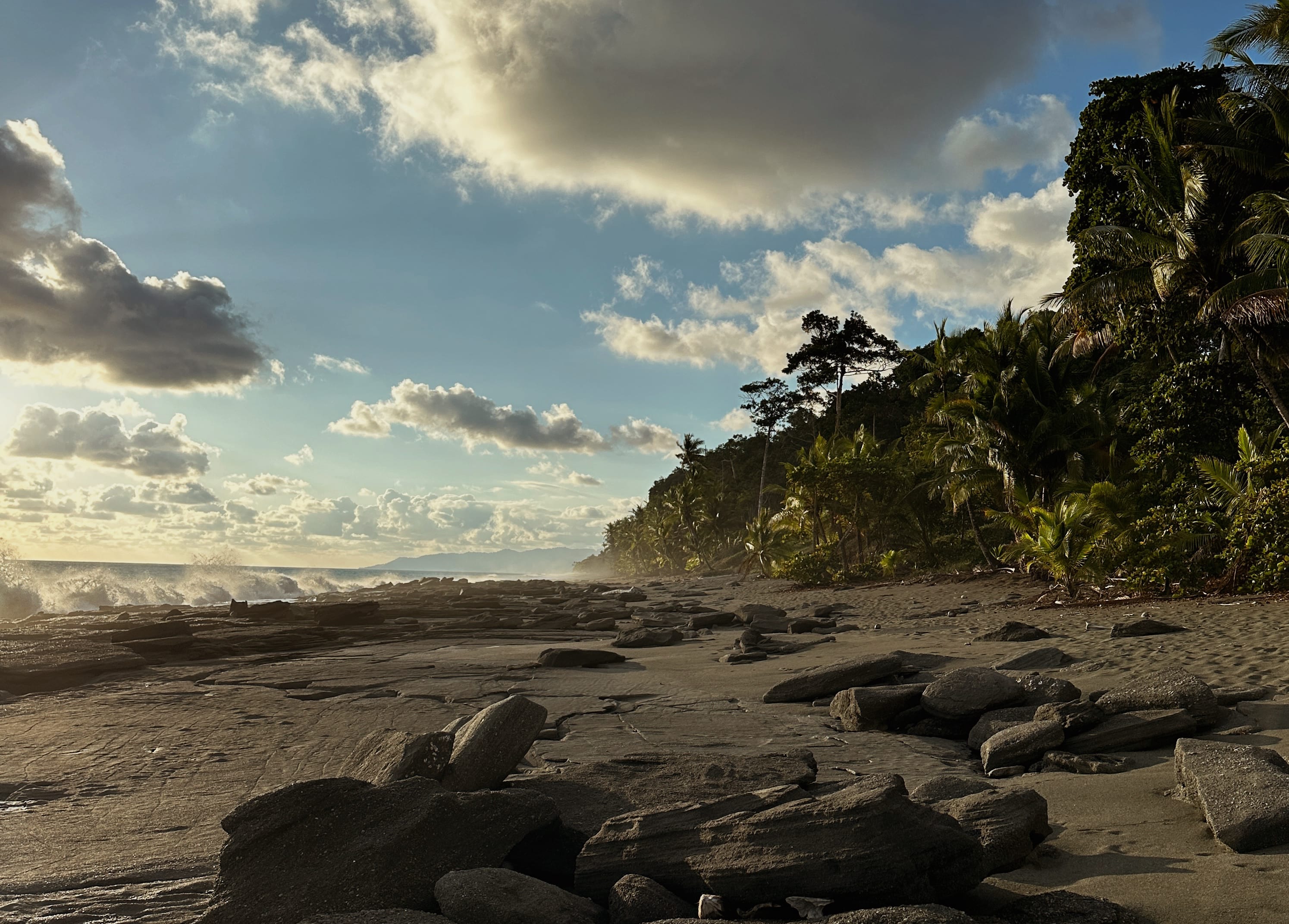
Manuel Antonio stands apart because several usually separate experiences are concentrated in one area. The town sits along Costa Rica’s Central Pacific coast near Manuel Antonio National Park, while Quepos adds working-town services and Marina Pez Vela. The national park protects beaches and tropical forest; the surrounding area supports restaurants, tours, boating, sportfishing and everyday services.
Access is also more flexible than many first-time visitors assume. Quepos has a domestic airport, and SANSA currently publishes nonstop service from San José with an advertised flight time of about 30 minutes. Flight schedules can change, but the option is meaningful for owners comparing the routine of repeated trips.
The climate is part of the decision. Costa Rica’s Pacific side has distinct dry and rainy seasons, and the Central Pacific is greener and wetter than the tropical dry-forest landscapes of northwestern Guanacaste. That supports the dense vegetation many buyers come to experience, but it also makes professional care, moisture management, drainage and construction quality important.
5. Dominical and Uvita: a quieter South Pacific alternative
Farther south, Dominical and Uvita appeal to buyers who prioritize lower-density coastal living, rainforest and marine experiences. Uvita is associated with Marino Ballena National Park, while Dominical is known for surf and access to waterfalls and surrounding nature.
The South Pacific can provide an appealing sense of space, but owners should be candid about travel routines and services. The question is whether the property offers the management, maintenance, and everyday support required when the owner is in the United States. A private home can be wonderful; a private home that is difficult to operate can become a burden.
Los Sueños and Herradura: another Central Pacific comparison
Luxury buyers often compare Manuel Antonio with Los Sueños Resort in Herradura as well. Los Sueños is a large master-planned marina and golf community closer to San José. It can suit buyers who want a self-contained resort ecosystem with a private marina. Manuel Antonio is a different brief: rainforest, national-park access, a working town, and a more compact coastal setting. Neither replaces the other. The question is whether you want a resort campus or a destination with park, town, and marina in the same area.
Why Manuel Antonio belongs on a luxury buyer’s shortlist
Manuel Antonio is a particularly strong fit for buyers who want nature without complete isolation. Its appeal is not based on a single attraction. It comes from the combination of a protected coastal landscape, a functioning town, a marina, restaurants, recreation, and multiple ways to reach the area.
- Beach and rainforest are part of the same daily environment, rather than separate day trips.
- Manuel Antonio National Park gives the destination a protected natural anchor and a recognizable identity.
- Quepos provides practical services, while Marina Pez Vela adds dining, boating, tours, and sportfishing infrastructure.
- The area can support both short vacations and longer stays, which matters to buyers considering retirement later.
- The setting offers a clear alternative to the drier, more resort-oriented experience found in parts of northern Guanacaste.
None of these qualities eliminates the need for due diligence. Hillside conditions, tropical rainfall, coastal exposure and absentee ownership all require careful evaluation. The right residence should make the setting easier to enjoy, not ask the owner to become a full-time property manager.
A current Manuel Antonio option: Maravé LXR Residences
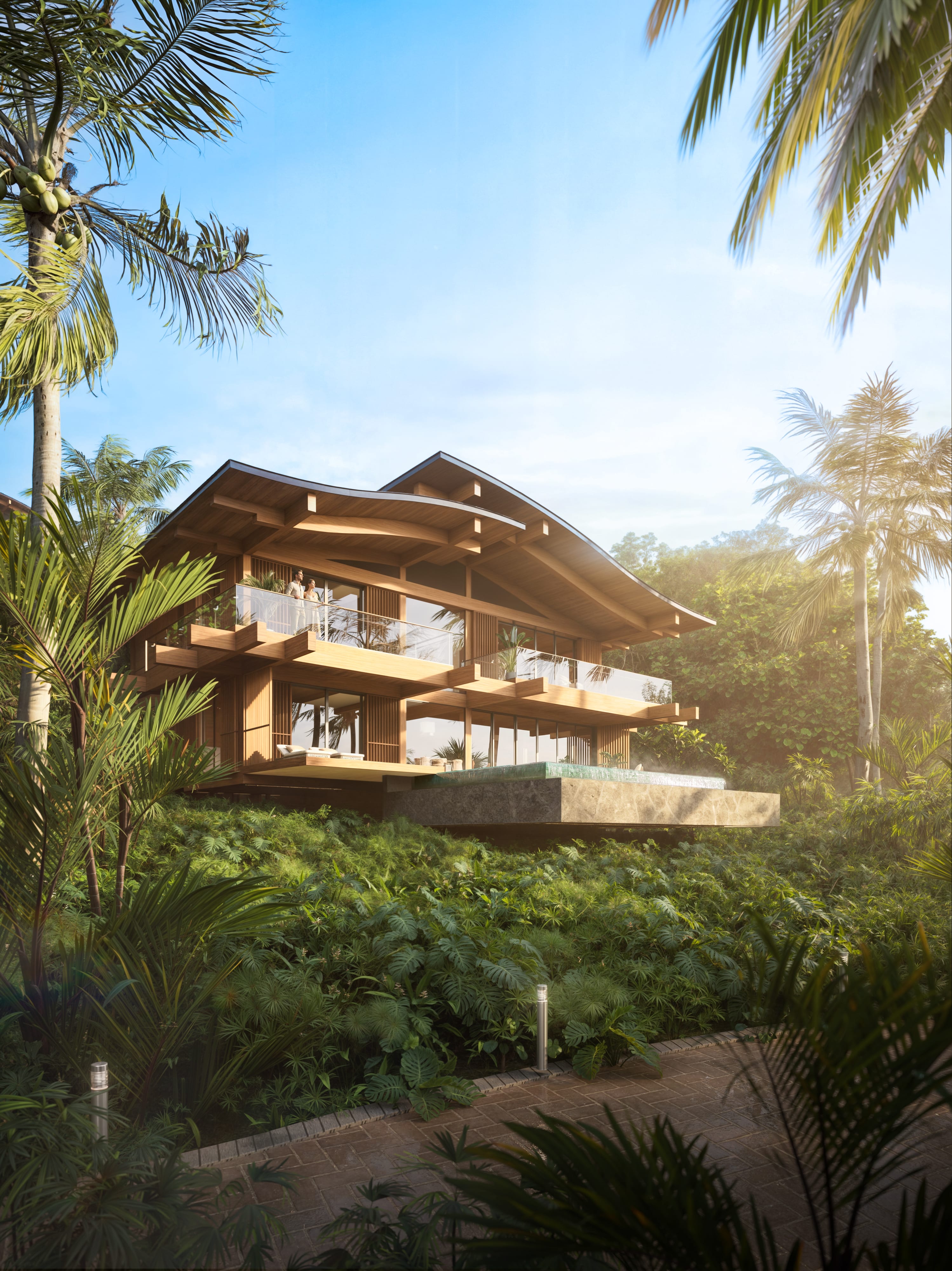
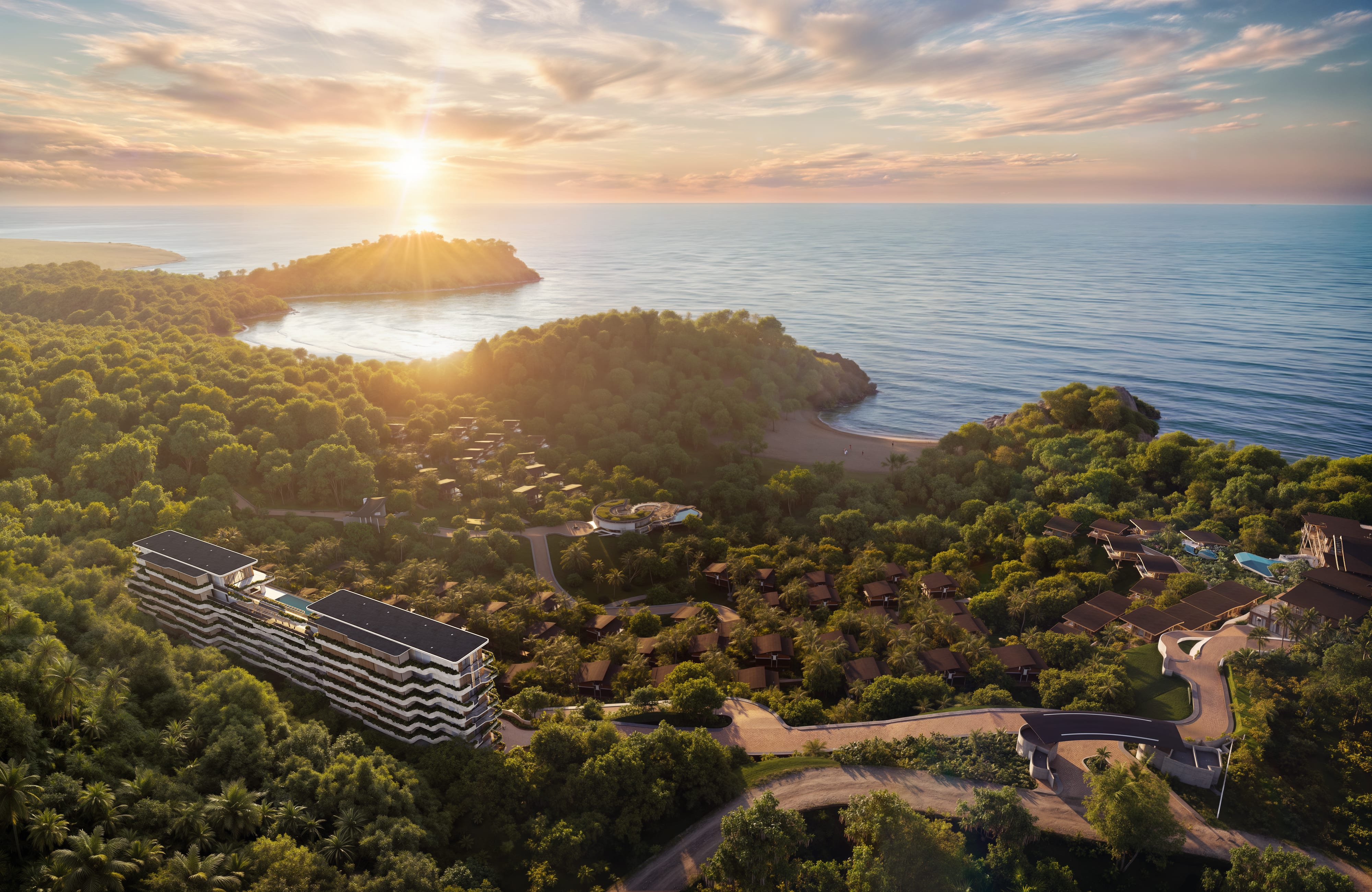
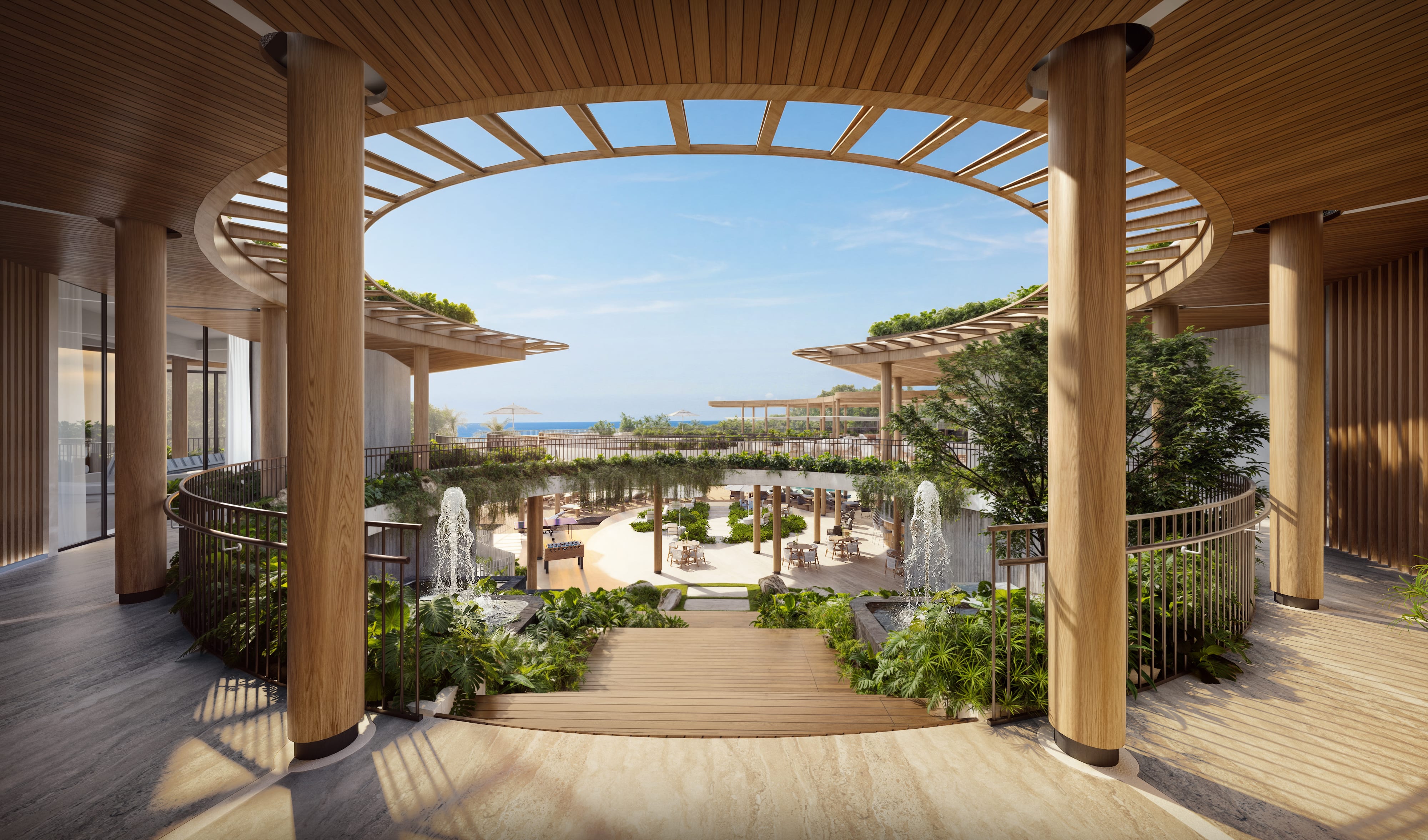
For buyers who want a managed, branded-residence experience, Maravé LXR Residences is a new option in the Manuel Antonio market. Maravé is planned as 104 residences across 40 acres, with 650 feet of Pacific beachfront. The mix includes 54 standalone three-bedroom villas starting at $2,050,000, 46 one-, two- and three-bedroom condominiums, and four penthouses.
The residences will include ocean views and access to a beach club, pools, spa and dining, and the ownership is freehold and titled. The project is associated with LXR Hotels & Resorts under a Hilton brand license.
Maravé naturally aligns with buyers who value a limited residential collection, resort services, and help managing the home from abroad. It may also fit families choosing among a private villa, a lower-maintenance condominium or a larger penthouse. Buyers seeking an unbranded standalone house or a busier town-center setting may prefer a different option.
Due diligence before buying a Costa Rica vacation home
Americans can buy real estate in Costa Rica, and the U.S. Department of State reports that foreigners generally follow the same land acquisition rules as Costa Ricans, with important exceptions involving concessions in the Maritime Zone. Coastal property therefore requires precise title and boundary review. Do not rely on a marketing description of “beachfront” as a substitute for legal verification.
- Hire independent Costa Rican legal counsel to review title, surveys, liens, ownership structure, permits and the purchase agreement.
- Confirm whether the property is titled, concession property or subject to another coastal regime, and verify the boundaries shown in the National Registry and survey records.
- Request a complete schedule of association, resort, management and reserve fees, including what can increase and how assessments are approved.
- Understand construction status, deposit protection, completion terms and remedies if buying preconstruction.
- Review rental rules, management obligations and any restrictions on owner use before including rental income in the decision.
- Inspect drainage, slope stability, corrosion protection, ventilation, moisture control, backup systems and maintenance procedures appropriate to the microclimate.
- Discuss U.S. and Costa Rican tax, estate and succession issues with qualified professionals before choosing how to hold the property.
The bottom line
Costa Rica does not have one best luxury vacation-home destination. It has several strong destinations for different versions of the good life. Papagayo offers a polished resort ecosystem. Tamarindo and Flamingo offer energy and convenience. Nosara and Santa Teresa offer surf and wellness culture. Dominical and Uvita offer a more remote South Pacific experience. Los Sueños offers a marina-and-golf resort campus closer to San José.
Manuel Antonio belongs on the shortlist for buyers who want rainforest, Pacific beaches, wildlife and protected nature without giving up access to a town, marina, restaurants and professional services. The final decision should come down to how the home will be used, how it will be cared for, and whether the destination still feels right when the stay becomes longer, and life becomes more ordinary.
Questions buyers ask
Frequently asked questions
Leading options include Papagayo and northern Guanacaste; Tamarindo and Playa Flamingo; Nosara and Santa Teresa; Manuel Antonio and Quepos; Dominical and Uvita; and Los Sueños in Herradura. The best fit depends on access, desired lifestyle, climate, services, and how you will manage the property.
Manuel Antonio is a strong choice for buyers who want rainforest, beaches, wildlife, national-park access, and nearby services. Buyers should evaluate rainfall, hillside conditions, maintenance requirements and the exact ownership structure of any coastal property.
Guanacaste generally offers a drier tropical landscape, a larger resort ecosystem and convenient access through Liberia’s international airport. Manuel Antonio offers a greener Central Pacific setting, proximity to a major national park, Quepos services, Marina Pez Vela and a domestic airport. Neither is universally better.
Yes. Foreigners generally follow the same property-acquisition rules as Costa Ricans, but special restrictions apply to concessions in the Maritime Zone. Every buyer should use independent Costa Rican counsel to verify title, boundaries and the legal regime governing the property.
A branded residence may be useful for buyers who value professional services, maintenance standards and easier ownership from abroad. The decision should be based on the actual service agreement, fees, brand-license terms and owner benefits, not the brand name alone.
If possible, yes. Visiting in more than one season helps a buyer understand access, drainage, humidity, traffic, vegetation, maintenance and the everyday rhythm of the destination. Costa Rica’s Pacific rainy season generally runs from May through October, with November as a transition month.